Welcome to Animal Games Platform

Test your knowledge about animals with fun quizzes, puzzles, and logic games!

Start Playing Request Access

Game Categories

GB Animals

GB Animals

Learn about animals native to Great Britain

Explore
English

English

Language quizzes about animals

Explore
Gambling

Gambling

Interactive animal-themed games

Explore
HTML

HTML

Technical puzzles and challenges

Explore
Logic Games

Logic Games

Brain teasers and logic puzzles

Explore

How It Works

1

Choose a Category

Select from GB Animals, English, Gambling, HTML, or Logic Games

2

Play Games

Answer questions, solve puzzles, and complete challenges

3

Earn FS Points

Collect Fantasy Score / Funny Score points for your achievements

Discover British Wildlife

Learn fascinating facts about animals native to Great Britain

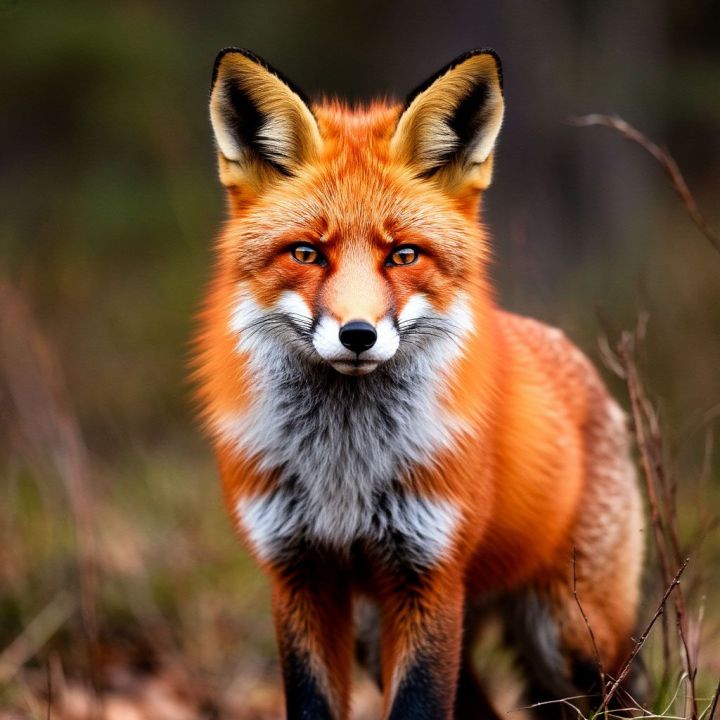
Red Fox (Vulpes vulpes)

The red fox is the largest of the true foxes and one of the most widely distributed members of the order Carnivora. In Great Britain, red foxes are found throughout England, Scotland, and Wales.

Interesting Facts:

  • Red foxes can run up to 30 miles per hour
  • They have excellent hearing and can detect the squeak of a mouse from 100 feet away
  • Foxes are mostly nocturnal but can be active during the day
  • They communicate using a variety of vocalizations, including barks, screams, and howls
Common Buzzard (Buteo buteo)

The common buzzard is a medium-to-large bird of prey found across Great Britain. It is the most common bird of prey in the UK.

Interesting Facts:

  • Buzzards can spot a rabbit from over a mile away
  • They have a wingspan of up to 1.2 meters
  • Buzzards are known for their distinctive "mewing" call
  • They mate for life and return to the same nesting site each year
European Badger (Meles meles)

The European badger is a stocky, powerfully built animal with distinctive black and white facial markings. Badgers are found throughout Great Britain and are protected by law.

Interesting Facts:

  • Badgers live in underground setts that can be centuries old
  • They are excellent diggers and can move up to 1.5 tons of soil when digging
  • Badgers are omnivores, eating earthworms, insects, small mammals, and fruits
  • They have a strong sense of smell but poor eyesight
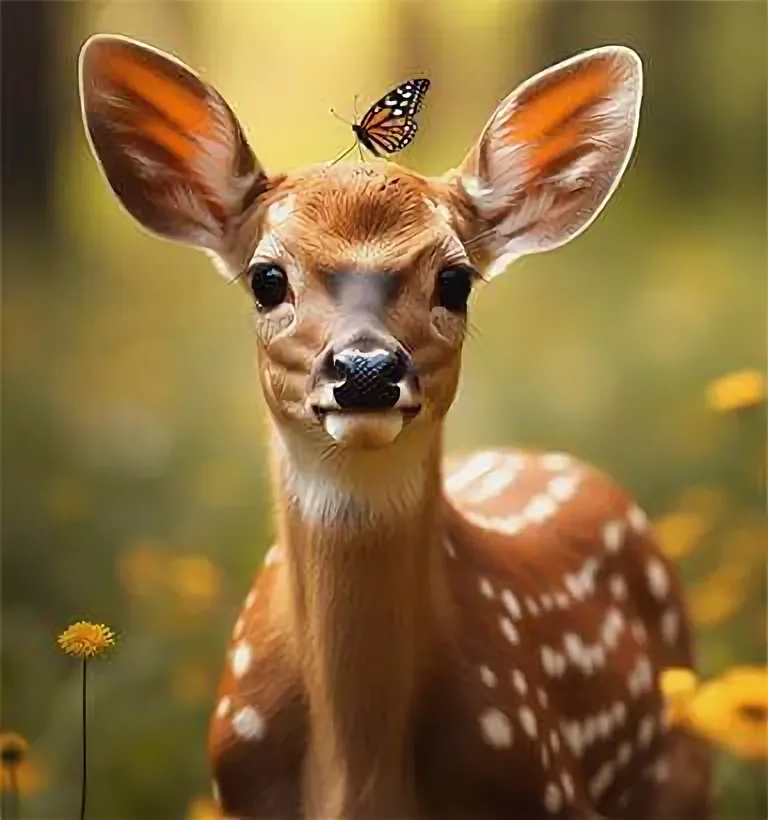
Red Deer (Cervus elaphus)

The red deer is Britain's largest native land mammal. These majestic animals are found in Scotland, parts of England, and Wales, particularly in woodland and moorland habitats.

Interesting Facts:

  • Male red deer (stags) can weigh up to 190 kg
  • During the rutting season, stags make loud roaring calls to attract females
  • Red deer antlers can grow up to 1 meter in length
  • They can run at speeds of up to 40 miles per hour
Tawny Owl (Strix aluco)

The tawny owl is Britain's most common owl species, found in woodlands, parks, and gardens across the country. It is known for its distinctive "twit-twoo" call.

Interesting Facts:

  • Tawny owls have excellent night vision and can see in near darkness
  • Their hearing is so acute they can locate prey by sound alone
  • They are territorial birds and will defend their territory year-round
  • Tawny owls can rotate their heads up to 270 degrees

British Wildlife Facts

Animal Habitat Diet Conservation Status
Red Fox Woodlands, urban areas, countryside Omnivore (small mammals, birds, fruits) Least Concern
Common Buzzard Woodlands, moorlands, farmland Carnivore (small mammals, birds, carrion) Least Concern
European Badger Woodlands, hedgerows, grasslands Omnivore (earthworms, insects, small mammals) Protected (UK)
Red Deer Woodlands, moorlands, hills Herbivore (grasses, leaves, bark) Least Concern
Tawny Owl Woodlands, parks, gardens Carnivore (small mammals, birds, insects) Least Concern
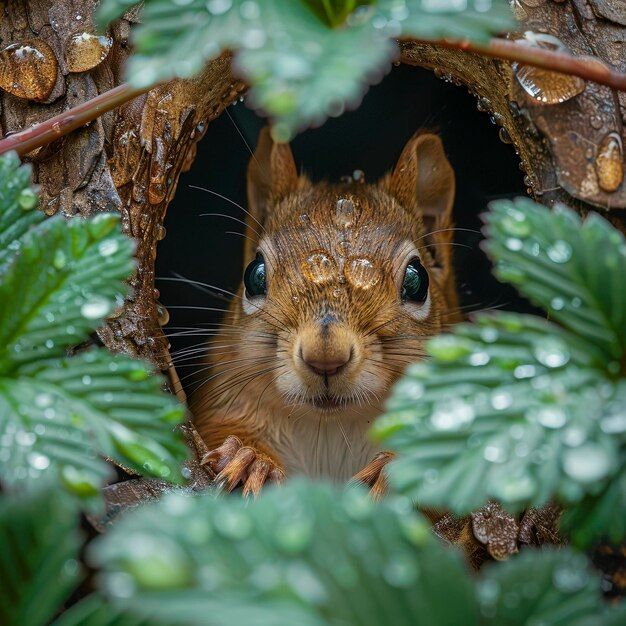
Red Squirrel Coniferous forests, woodlands Herbivore (nuts, seeds, fungi) Endangered (UK)
Mallard Duck Rivers, lakes, ponds, wetlands Omnivore (plants, insects, small fish) Least Concern

Animal Articles & Stories

The Secret Life of British Woodlands

British Woodlands

British woodlands are home to a diverse range of wildlife, from tiny insects to large mammals. These ancient ecosystems provide shelter, food, and breeding grounds for countless species.

Many British animals have adapted to life in woodlands over thousands of years. Badgers dig extensive underground networks called setts, while birds like the tawny owl nest in tree hollows. Red deer roam through forest clearings, and red foxes hunt along woodland edges.

Conservation efforts are crucial to protect these habitats. Many woodland species are declining due to habitat loss, climate change, and human activity. By learning about these animals and their habitats, we can better understand how to protect them.
Nocturnal Animals of Great Britain

Nocturnal Animals

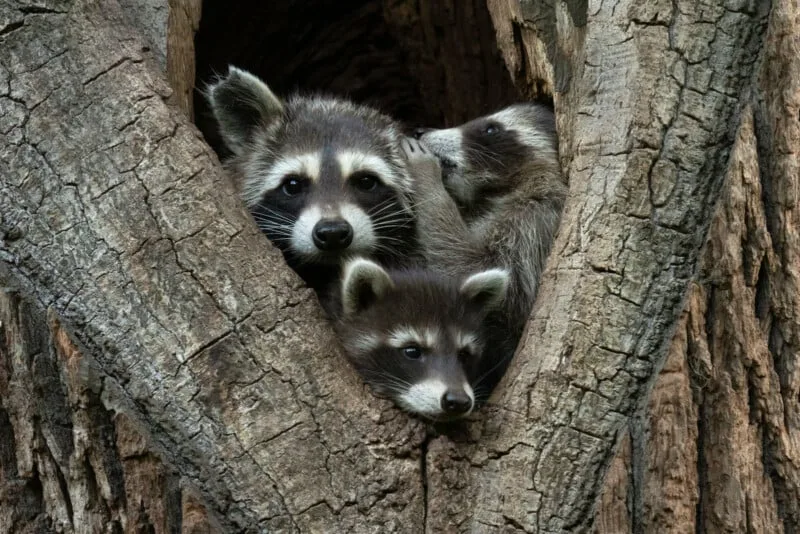
Many British animals are nocturnal, meaning they are most active during the night. This adaptation helps them avoid predators, find food, and cope with temperature extremes.

Red foxes are crepuscular (active at dawn and dusk) but can be seen hunting at night. Their excellent night vision and acute hearing make them successful nocturnal hunters. Badgers are also primarily nocturnal, emerging from their setts at dusk to forage for food.

Tawny owls are perfectly adapted for night hunting. Their large eyes collect more light than human eyes, and their silent flight allows them to swoop down on unsuspecting prey. Their distinctive calls can often be heard echoing through British woodlands at night.

Birds of Prey in the UK

Birds of Prey

Great Britain is home to several species of birds of prey, each with unique hunting strategies and adaptations. The common buzzard is the most widespread, found across the country in various habitats.

These magnificent birds play an important role in the ecosystem by controlling populations of small mammals and other prey species. Their keen eyesight allows them to spot prey from great heights, and their powerful talons enable them to catch and kill their targets.

Conservation efforts have helped many bird of prey species recover from historical declines. The banning of harmful pesticides and habitat protection measures have contributed to population increases for species like the buzzard and peregrine falcon.

British Wildlife Statistics

Wildlife Statistics
60+
Mammal Species
600+
Bird Species
7
Native Deer Species
15+
Birds of Prey